Residential Drain Cleaning Tacoma for Cleaner Drains and Better Peace of Mind
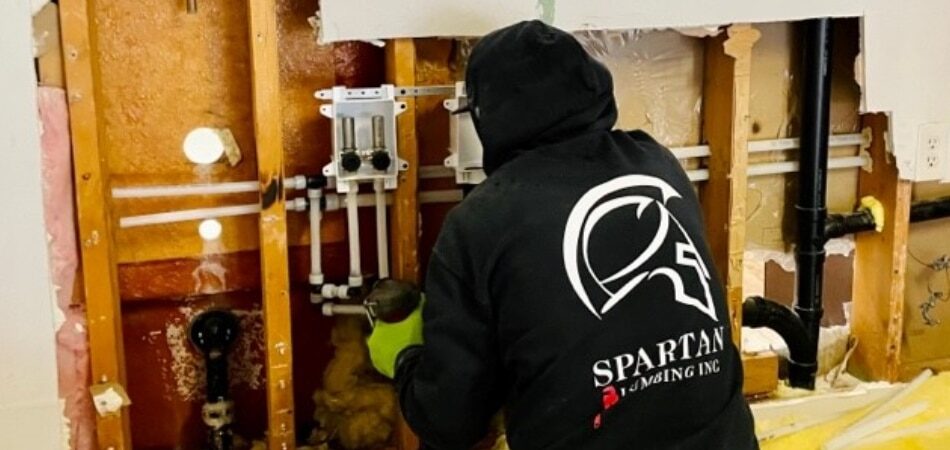
A clean drain system rarely gets much attention until something goes wrong. Water slows in the shower. The kitchen sink starts holding a cloudy inch of grease-streaked water. A downstairs toilet gurgles when the washing machine drains. None of those signs feel dramatic at first, but in a home, drainage problems tend to build quietly and then make themselves known all at once.
That is why Residential Drain Cleaning Tacoma matters more than many homeowners realize. In a place like Tacoma, where older neighborhoods, wet weather, tree cover, and mixed generations of plumbing all overlap, drains work under real stress. Some homes still carry aging galvanized lines. Others have newer plumbing but deal with heavy kitchen use, hair buildup, soap residue, or roots in the sewer lateral. Different causes, same result, and it usually starts with a drain that is just a little slower than it used to be.
Homeowners often ask whether routine drain cleaning is really necessary or whether it is only something to schedule after a backup. From experience, waiting rarely saves money. A simple maintenance visit is usually straightforward. An emergency call after a sewage backup into a tub or floor drain is a different story, both financially and emotionally. The difference between those two scenarios often comes down to timing.
What drain problems look like before they become emergencies
Most drain systems give some warning before they fail outright. The trouble is that the warnings often seem minor enough to ignore. A sink drains slowly for a month, then a little longer. A guest bathroom starts smelling musty, but only now and then. The homeowner pours in a store-bought cleaner, the water clears temporarily, and everyone moves on.
That temporary relief is often deceptive. Chemical cleaners can burn through a soft clog near the top while leaving the deeper blockage behind. In some cases, especially with older pipes, they also add wear to the system. What looks like a fix becomes a delay, and delays are where drain issues get expensive.
One of the clearest patterns in residential service calls is that households adapt to bad drainage long before they address it. People stop using the left side of a double sink. They avoid running the dishwasher late at night because it backs up into the basin. They remind the kids to take shorter showers because the tub fills around their ankles. Those workarounds feel manageable until the day they stop working.
A recurring kitchen backup, for example, is rarely just about one meal's worth of grease. It is often the result of months or years of buildup along the interior pipe walls. The opening narrows gradually. Food particles that once passed through begin catching. Soap residue mixes with fats. Hot water may soften the material for a little while, but it does not restore full pipe diameter. Professional cleaning does.
Tacoma homes bring a few specific challenges
Tacoma is not one uniform housing market. You can find early twentieth-century homes with aging drain lines, mid-century houses with their own plumbing quirks, and newer construction that still sees clogs from daily habits. That variety matters because the best drain cleaning approach depends on what the system is made of, how old it is, and what kind of debris is causing the trouble.
Tree roots are a real concern in many residential areas. Mature landscaping adds character and value, but roots naturally seek moisture. A tiny crack or loose joint in an underground line can attract root intrusion. Once inside, roots catch paper and waste, narrowing flow and creating repeat stoppages. A homeowner may notice a toilet that bubbles or a tub that drains slowly after a load of laundry. Those symptoms can point to a mainline issue rather than a simple branch clog.
Tacoma's long wet season also changes the way homeowners experience drainage problems. Heavy rainfall does not directly create indoor drain clogs, but saturated ground and increased system demand can expose weaknesses in older sewer laterals. If a line is already partially blocked, wet conditions tend to reveal it sooner.
Then there is the age of the piping itself. Older galvanized drain sections can accumulate rough interior scaling that grabs debris. Cast iron, while durable, can corrode over time and create a flaky interior surface where buildup forms more easily. Plastic piping usually stays smoother, but it is not immune to grease, soap scum, wipes, hair, and accidental foreign objects.
The difference between a clog and a system problem
Not every backup means the whole house drain system is failing. A single slow bathroom sink often points to a local clog from hair, toothpaste residue, and soap. A kitchen line can become restricted from grease and food waste without affecting the rest of the house. On the other hand, when several fixtures act up at the same time, that usually suggests a larger blockage farther down the line.
That distinction matters because the cleaning method should fit the issue. Snaking a bathroom sink trap is one thing. Clearing a root-packed main sewer line is another. The goal is not just to poke a hole through the obstruction and get water moving for the day. A proper cleaning restores as much of the pipe's carrying capacity as the condition of the line allows.
Homeowners can sometimes tell the difference by noticing which fixtures misbehave and when. If an upstairs shower drains slowly but nothing else is affected, the issue may be isolated nearby. If the lowest drain in the house backs up whenever another fixture runs, the blockage is often deeper in the system. Basement floor drains, tubs on lower levels, and first-floor showers tend to show trouble first because wastewater seeks the lowest exit point when a main line cannot carry it away.
What professional drain cleaning actually does
Drain cleaning is not one single service. Good service starts with identifying the location and nature of the blockage. In straightforward cases, a technician may use a cable machine to break apart a localized clog and retrieve debris. In tougher or recurring cases, hydro jetting may be the better choice. That process uses highly pressurized water to scour the inside of the pipe, cutting through grease, sludge, soap residue, and many root intrusions more thoroughly than a basic snake.
The right choice depends on the pipe material and condition. Hydro jetting is highly effective, but it should be used with judgment, especially on fragile, damaged, or heavily deteriorated lines. Older systems sometimes benefit from a camera inspection first. That inspection can show whether the problem is a buildup issue, a root issue, a sag in the line, a break, or a combination of those.
A camera does something else that homeowners appreciate: it replaces guesswork with evidence. Instead of hearing that a line is "probably clogged," you can often see exactly where the problem is and what is causing it. If roots are present, you know the line may need repeat maintenance or eventual repair. If grease is coating the pipe walls, you know the problem is maintenance-related rather than structural. If the line has collapsed, cleaning alone is not the answer.
That distinction saves money. It also prevents the frustration of paying for repeated temporary fixes that were never going to solve the actual problem.
Signs it is time to schedule service
Some symptoms are easy to dismiss, especially if they come and go. These are the ones worth taking seriously before they turn into a weekend emergency:
- Drains that are consistently slow, not just occasional
- Gurgling sounds from toilets or sinks when other fixtures run
- Water backing up into tubs, showers, or floor drains
- Persistent sewer odors inside or near the home
- Repeat clogs in the same fixture or area of the house
One slow drain may not sound urgent. Several of these signs happening together usually are.
Why store-bought drain cleaners often disappoint
Plenty of homeowners reach for a bottle first. That is understandable. It is fast, inexpensive, and sitting right there on the store shelf with promises on the label. The problem is that many retail drain cleaners are designed for surface-level organic buildup, and even then, results are mixed.
In a bathroom sink, the product may open a path through soft material without removing the mass around it. In a kitchen line, grease can soften and shift but remain stuck farther down. In a main sewer line blocked by roots, a bottled cleaner is essentially irrelevant. It cannot do the physical work required.
There is also a safety issue. Chemical cleaners can splash during later service and expose whoever opens the line. They may sit in the trap or pipe if the blockage is complete, turning a drain problem into a caustic handling problem. In some older systems, repeated use is simply hard on the plumbing.
Mechanical and water-based cleaning methods are usually safer, more targeted, and more effective when performed correctly. They address the actual obstruction rather than relying on chemistry and hope.
The value of routine maintenance in busy households
Some homes can go years without needing professional drain cleaning. Others benefit from periodic service, especially if the kitchen sees heavy use, several people share bathrooms, or the property has a history of root intrusion. Routine maintenance is not about selling unnecessary work. It is about matching service frequency to the way the home functions.
A family of five with long hair, a garbage disposal, and an older main line will naturally stress the system more than a retired couple in a newer home. A house where guests come and go through short-term rental use may need more frequent attention because people tend to be less careful with what goes down the drains. Homes with large trees between the house and the street often develop a maintenance cycle for the sewer lateral, particularly if roots have already been confirmed.
In practical terms, regular cleaning can mean fewer emergency calls, less wear from repeated backups, and a lower chance of water damage. It also gives homeowners a better sense of their plumbing's condition over time. If a line that used to clean easily now shows more buildup or repeated intrusion, that change matters.
What a homeowner can do between service visits
Professional cleaning does the heavy lifting, but daily habits make a real difference. Drain systems fail from accumulation more often than from one dramatic mistake. Small choices repeated over months create the conditions for a clog.
These habits usually help more than people expect:
- Keep grease, oils, and fats out of the kitchen drain, even with hot water
- Use sink strainers where food scraps or hair are common
- Avoid flushing wipes, paper towels, hygiene products, or cotton items
- Run plenty of water during normal sink use, especially after dishwashing
- Address slow drains early instead of waiting for a full backup
These are simple habits, but they reduce service calls in a noticeable way.
Kitchen drains and bathroom drains fail for different reasons
One thing homeowners appreciate once they understand it is that not all clogs behave alike. Kitchen drains are usually a buildup problem. Even careful households send tiny amounts of grease, starch, soap, and food sediment down the line. Over time, those materials combine into a sticky coating. The disposal, if there is one, does not eliminate the issue. It only grinds waste smaller. Small particles can still cling to pipe walls.
Bathroom drains are more often a matting problem. Hair wraps and tangles. Soap and toothpaste bind it together. In tub and shower lines, the clog frequently forms close to the drain opening at first, then extends deeper if left alone. The good news is that many bathroom stoppages are easier to clear than kitchen grease lines, at least in the early stages.
Main sewer lines are different again. There, the culprits are often roots, settled waste due to inadequate slope, pipe scaling, wipes, or structural defects. Homeowners sometimes mistake a mainline problem for a toilet issue because the toilet is what behaves most visibly. In reality, the toilet is simply connected to a bigger restriction downstream.
When a camera inspection makes sense
Not every clog requires a camera. For a simple stoppage in a bathroom sink that clears cleanly and does not return, visual confirmation inside the line may not be necessary. But when problems repeat, a camera inspection becomes one of the smartest steps you can take.
A camera is especially useful after a mainline backup, after repeated root clearing, before purchasing an older home, or when drainage issues affect multiple fixtures without a clear cause. It can reveal offsets, cracks, bellies in the line, corrosion, or intrusions that no amount of standard cleaning will permanently solve.
This is where judgment matters. Some drain companies are excellent at distinguishing between a maintenance issue and a repair issue. Others may jump too quickly toward either extreme, either overselling replacement or understating a damaged pipe. The best approach is evidence-based. If a line is old but still serviceable, maintenance may be the right plan. If it is structurally compromised, repeated cleaning becomes a stopgap rather than a Residential Drain Cleaning Tacoma strategy.
How emergency backups create more damage than most people expect
A backed-up drain is not just a plumbing inconvenience. It can damage flooring, baseboards, cabinetry, drywall, and personal belongings. If wastewater crosses onto finished surfaces, cleanup becomes a sanitation issue as well as a repair issue. Even a modest overflow in a bathroom can soak trim, wick into drywall, and leave odor problems behind if it is not handled promptly.
I have seen homeowners focus on the visible water and miss the hidden impact. Water that disappears quickly may still have entered subflooring or wall cavities. A kitchen sink backup can affect the cabinet bottom and adjacent toe-kick areas long before warping becomes obvious. By the time the smell appears, the damage has often been there for days.
That is another reason Residential Drain Cleaning Tacoma is not just a maintenance line item. It is risk management. A clean, functional drainage system protects more than pipes. It protects the house itself.
Choosing the right service approach for your home
Homeowners do not need to become plumbing experts, but it helps to ask a few grounded questions when service is recommended. What kind of blockage is suspected? Is the issue isolated or likely in the main line? Would cabling be enough, or is hydro jetting more appropriate? Is a camera inspection recommended because there is a recurring pattern, or is it being suggested as a default add-on?
Clear answers usually signal solid workmanship. Good technicians explain what they are seeing, what they are doing, and what the likely next steps are. They also explain limits. For example, if a root-infested line is cleaned successfully, a professional should still tell you that roots may return and that structural repair may eventually be needed.
There is a practical difference between "fixed for now," "cleaned and restored," and "cleaned but the pipe itself has issues." Homeowners deserve to know which of those conditions applies.
Cleaner drains, fewer surprises
Most people do not think about their drains until one of them stops working at the worst possible time, often before guests arrive, during a holiday meal, or late on a Sunday evening. Yet the system gives clues long before that moment. Slow drainage, odors, gurgling, and repeat clogs are not random annoyances. They are early warnings from a part of the home that is easy to ignore because it stays hidden behind walls and under floors.
Handled early, many drain problems are simple. Left alone, they become expensive, disruptive, and far messier than anyone wants to deal with. For Tacoma homeowners, that is reason enough to take drainage seriously. Whether the issue is everyday buildup in a kitchen line, hair and soap accumulation in a shower drain, or root intrusion in an older sewer lateral, timely service keeps the plumbing system doing what it should: moving wastewater out of the house quietly, efficiently, and without surprises.
That kind of reliability does more than keep sinks and showers usable. It buys peace of mind, and in a home, peace of mind is worth a great deal.
Spartan Plumbing Services
Address: 760 107th St S, Tacoma, WA 98444
Phone number: +12534998773
FAQ About Residential Drain Cleaning Tacoma
How much does it cost to have someone clean your drains?
Professional drain cleaning costs between $147 and $352 on average, with most homeowners paying around $246. The final price is heavily determined by the type of drain affected, the clearing method needed, and your geographic location.
How much does it cost to clean a drain line?
Professional drain cleaning costs between $147 and $352 on average, with most standard residential jobs landing right around $246. However, your final bill can scale from $100 to over $800 depending entirely on which drain is clogged and the method required to clear it.
Is professional drain cleaning worth it?
Yes, professional drain cleaning is worth it because it clears deep buildup and prevents expensive plumbing emergencies.